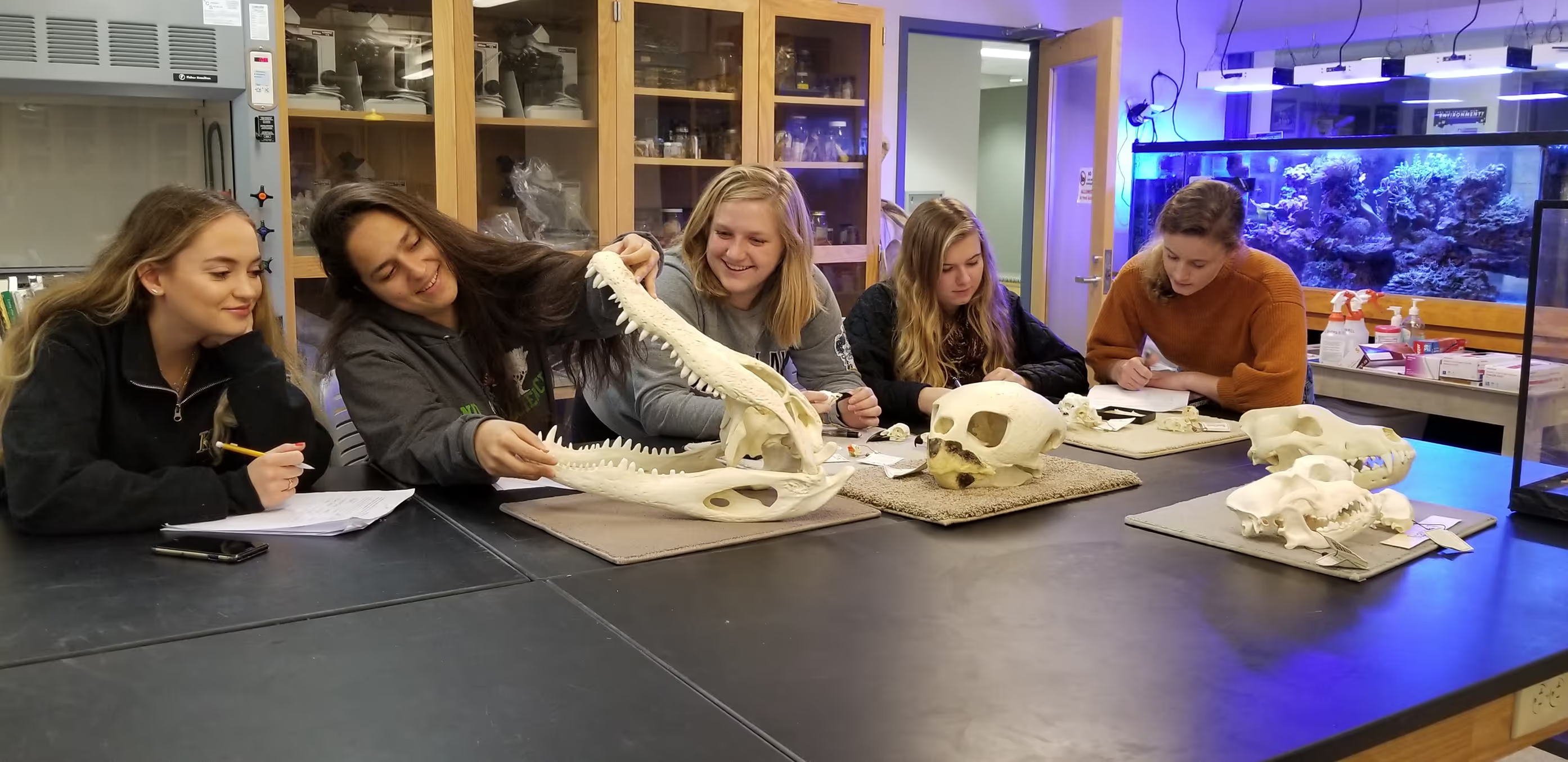

Empowering Every Student to Succeed in STEM
The SCIENCE Collaborative is committed to developing sustainable, evidence-based learning experiences in undergraduate STEM education.
Vision
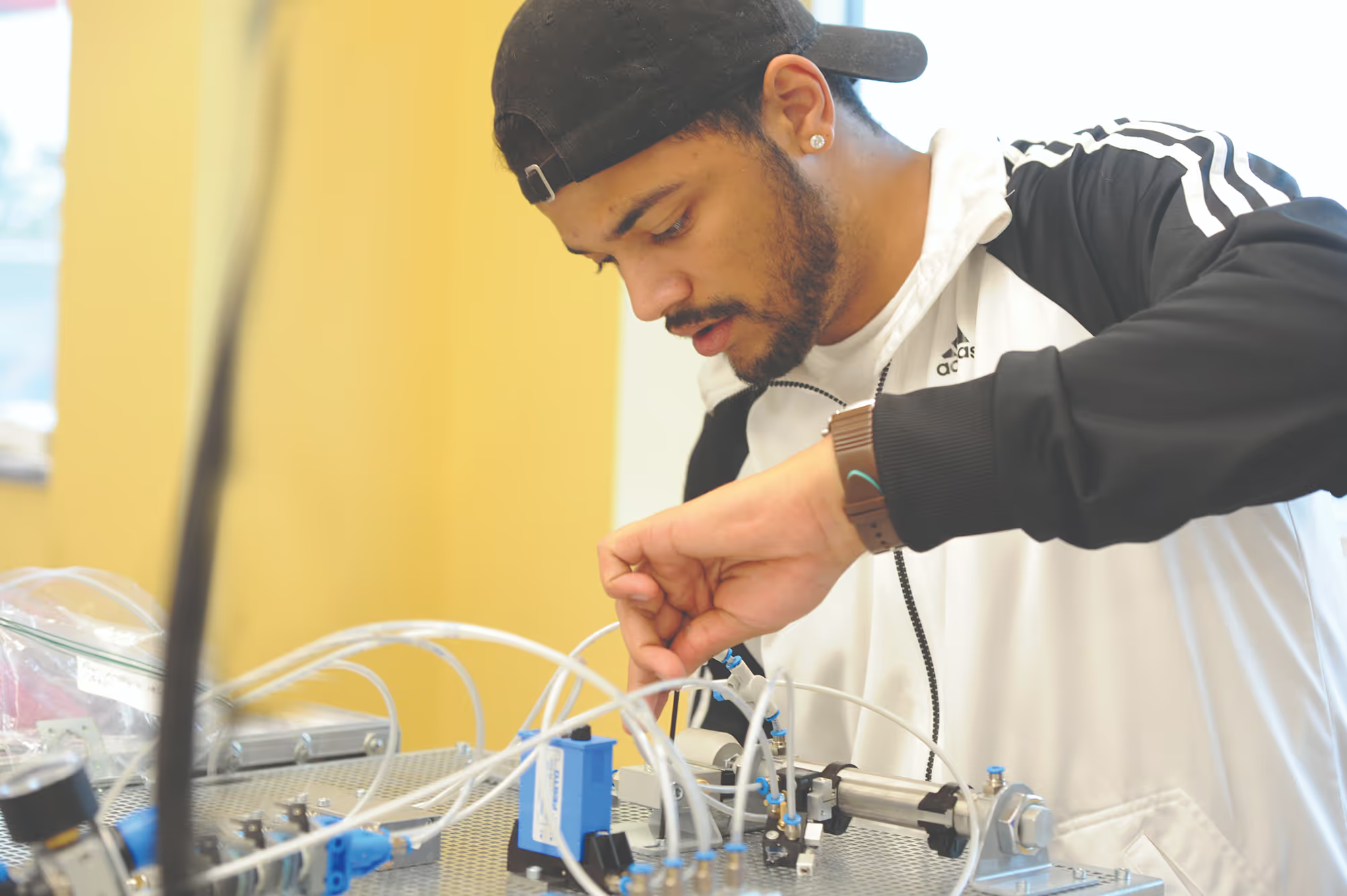
All students at our institutions will be empowered and supported in their academic, professional, and personal goals during and beyond their early undergraduate STEM experiences.
We believe this future is achievable. Our community supports educators and institutions across the country improving the STEM experience for undergraduate students.
A Pivotal Moment for STEM Education
Research gives us clear evidence about which teaching practices help students succeed and persist. We understand how learning happens and what students need to thrive. Despite this knowledge, these practices are sparsely employed. We support all educators for broader implementation.

The cost of inaction is real.
Over half of students that start college interested in majoring in STEM, leave STEM. They often return home frustrated and with debt. Their goals, dreams, and potential are unrealized.
The challenge isn't knowledge—it's implementation at scale.
Different institutions face different contexts, resources, and constraints. Individual schools working alone have struggled to move the needle.
This is where collaboration becomes transformative.
When 14 institutions across 5 time zones come together—sharing knowledge rapidly, accessing collective expertise, and supporting each other through implementation challenges—we create the conditions for meaningful, lasting change.
The SCIENCE Collaborative represents a novel approach in STEM: a cross-institutional network that actively supports educators through the complex work of bringing research-based practices into their classrooms. This structure allows for rapid implementation on a large scale.
Our Approach: Sustained Support for Real Change
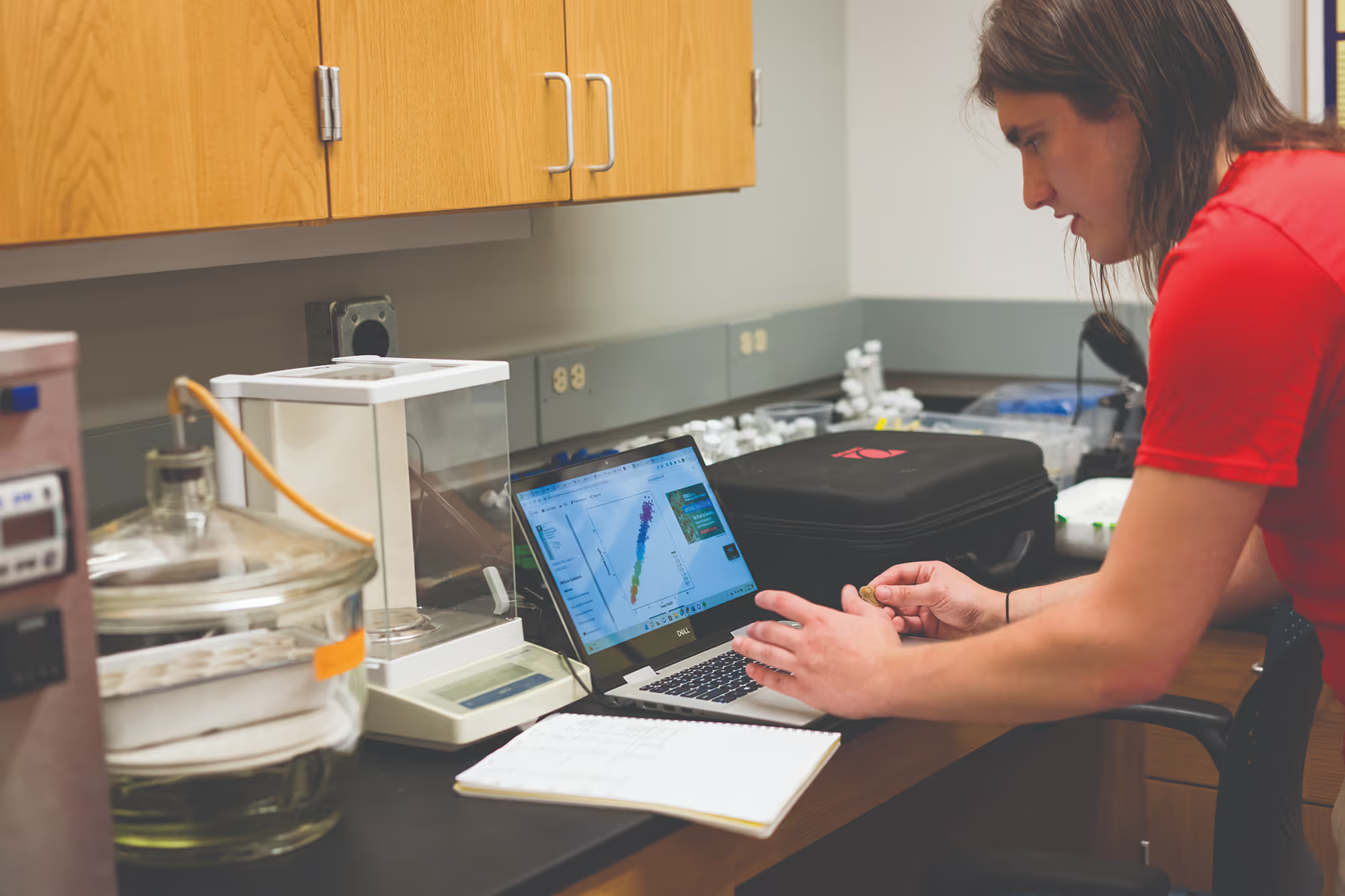
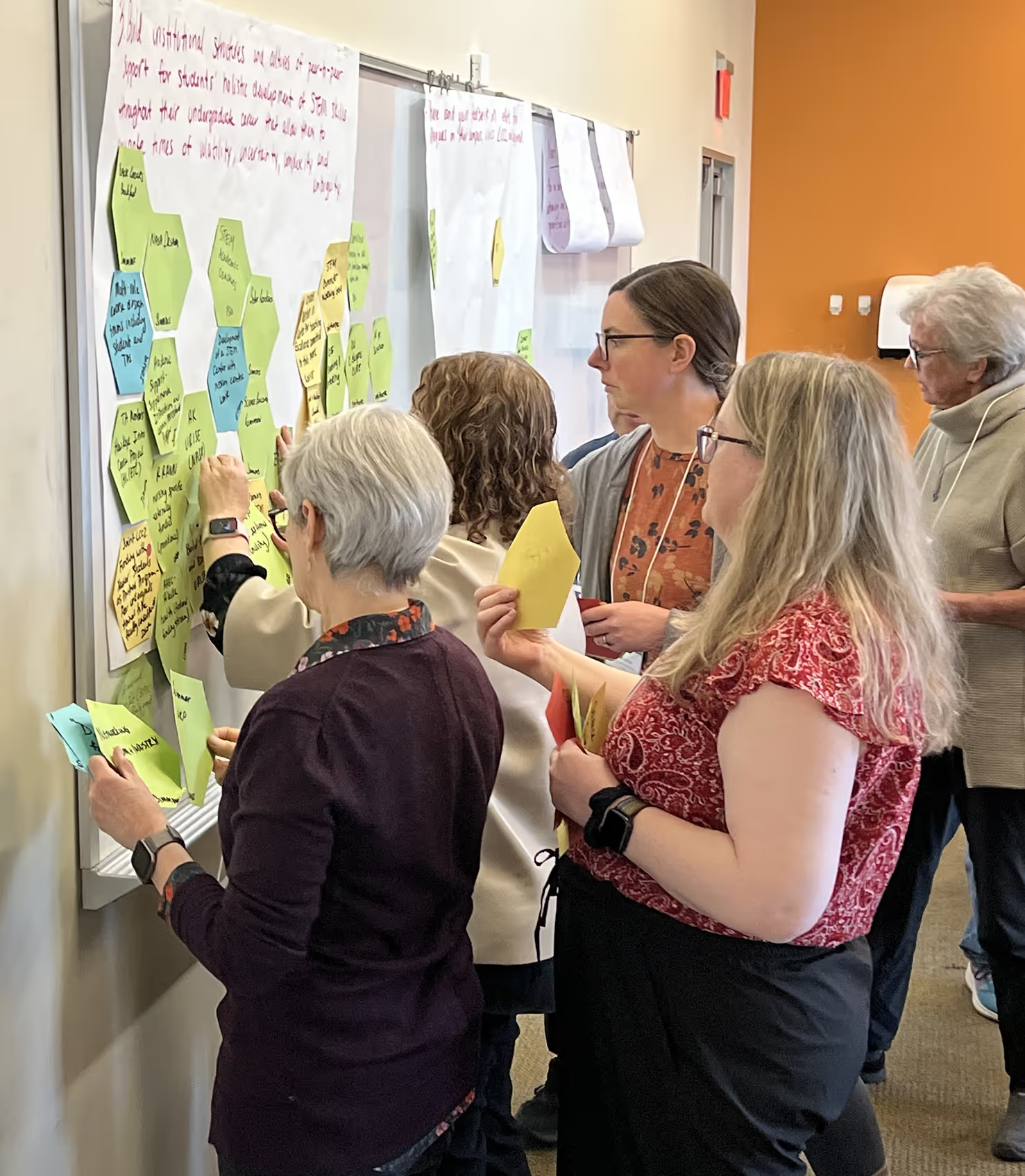
The SCIENCE Collaborative goes beyond traditional professional development. We don't just provide information—we create sustained communities where educators learn, practice, and refine teaching strategies together.
What we provide:
- Year-long professional development that extends beyond one-time workshops to ongoing implementation support
- Practical resources and instruction grounded in learning science
- Cross-institutional community where educators share challenges, solutions, and innovations in real time
- Cross-disciplinary collaboration that strengthens approaches across STEM fields
What makes us different:
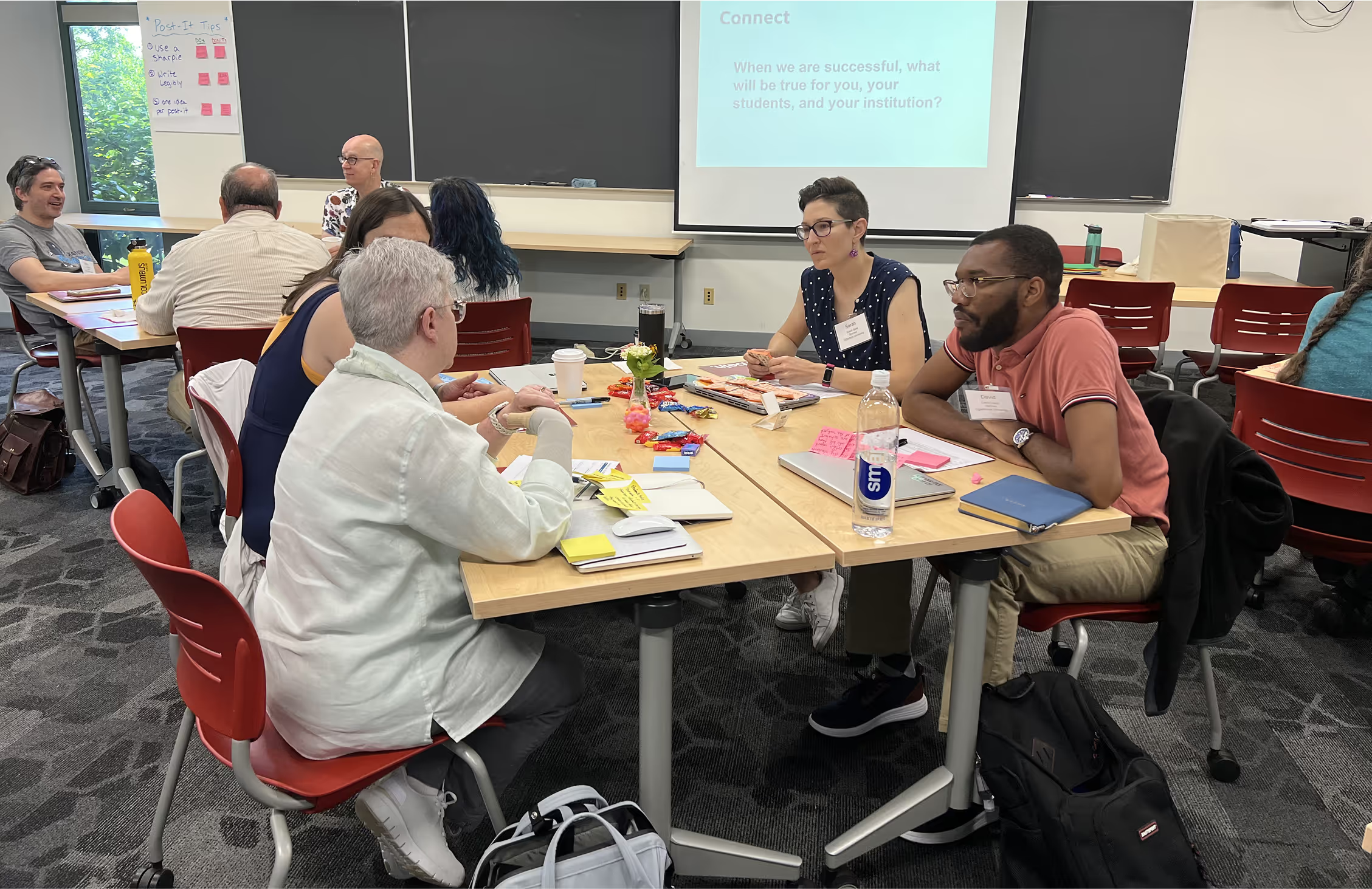
Our institution-based teams include faculty, staff, administrators, and students working together. This structure ensures that changes are sustainable and supported at multiple levels within each institution—not dependent on a single champion. Traditional professional development often leaves educators inspired but alone when challenges arise. We provide ongoing support and problem-solving throughout the implementation journey.
The result:
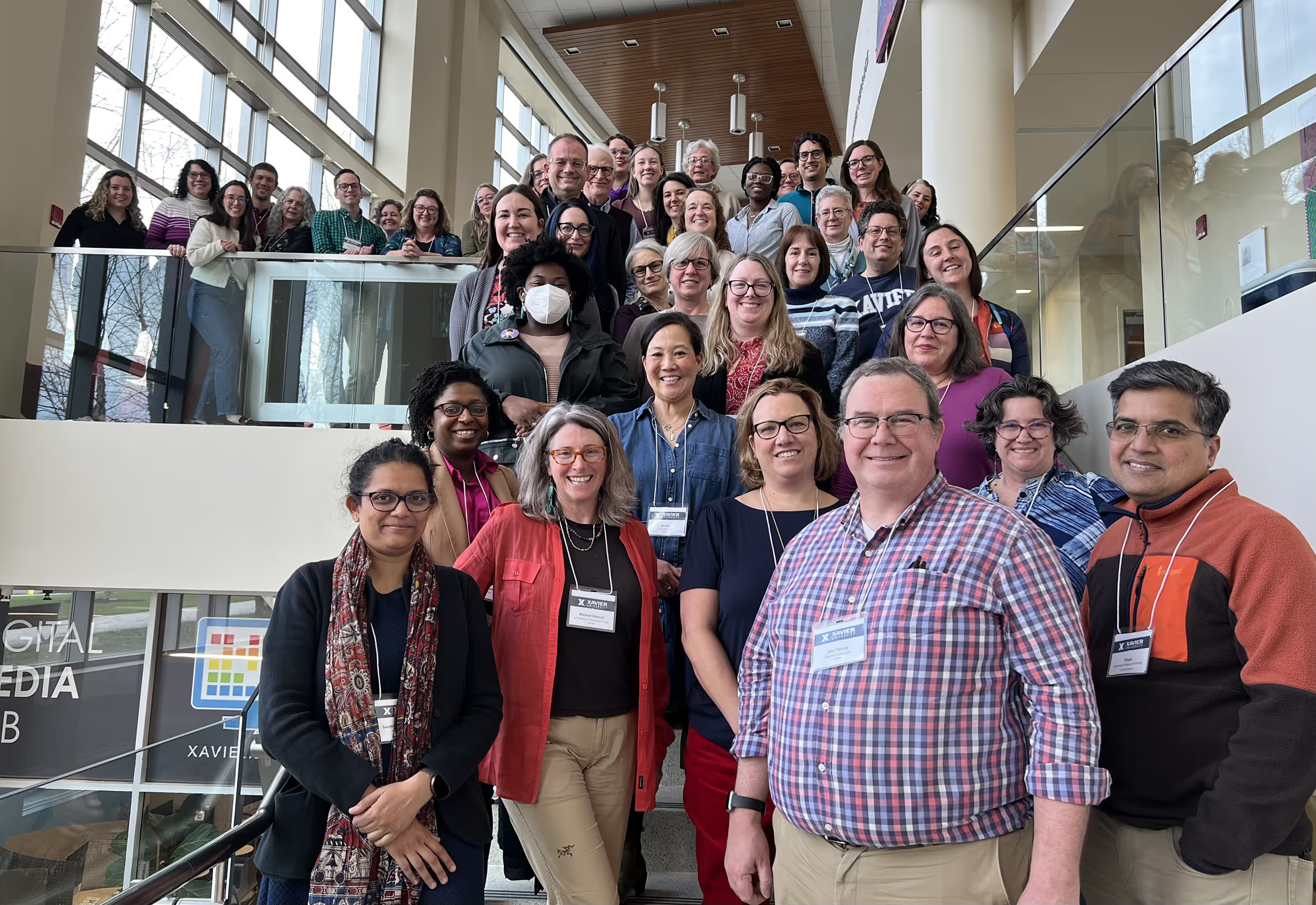
During the 2025-2026 academic year, more than 130 educators are actively engaged through the Collaborative, implementing new approaches in courses that will reach over 15,000 students.
Hear from our community
Shoshana Zeisman-Pereyo from Portland State University shares how the SCIENCE Collaborative has become a professional anchor: a national community where colleagues pool wisdom, resources, and momentum to drive institutional change and advance student success in STEM.
From Network to Movement
Since 2021, we've evolved from an idea into a thriving national network.
2021
Network Formation
Our network of 14 institutions across 5 time zones was established with initial support from HHMI, focusing on improving introductory STEM courses—the critical gateway where too many students were being lost.
2022
Building Foundation
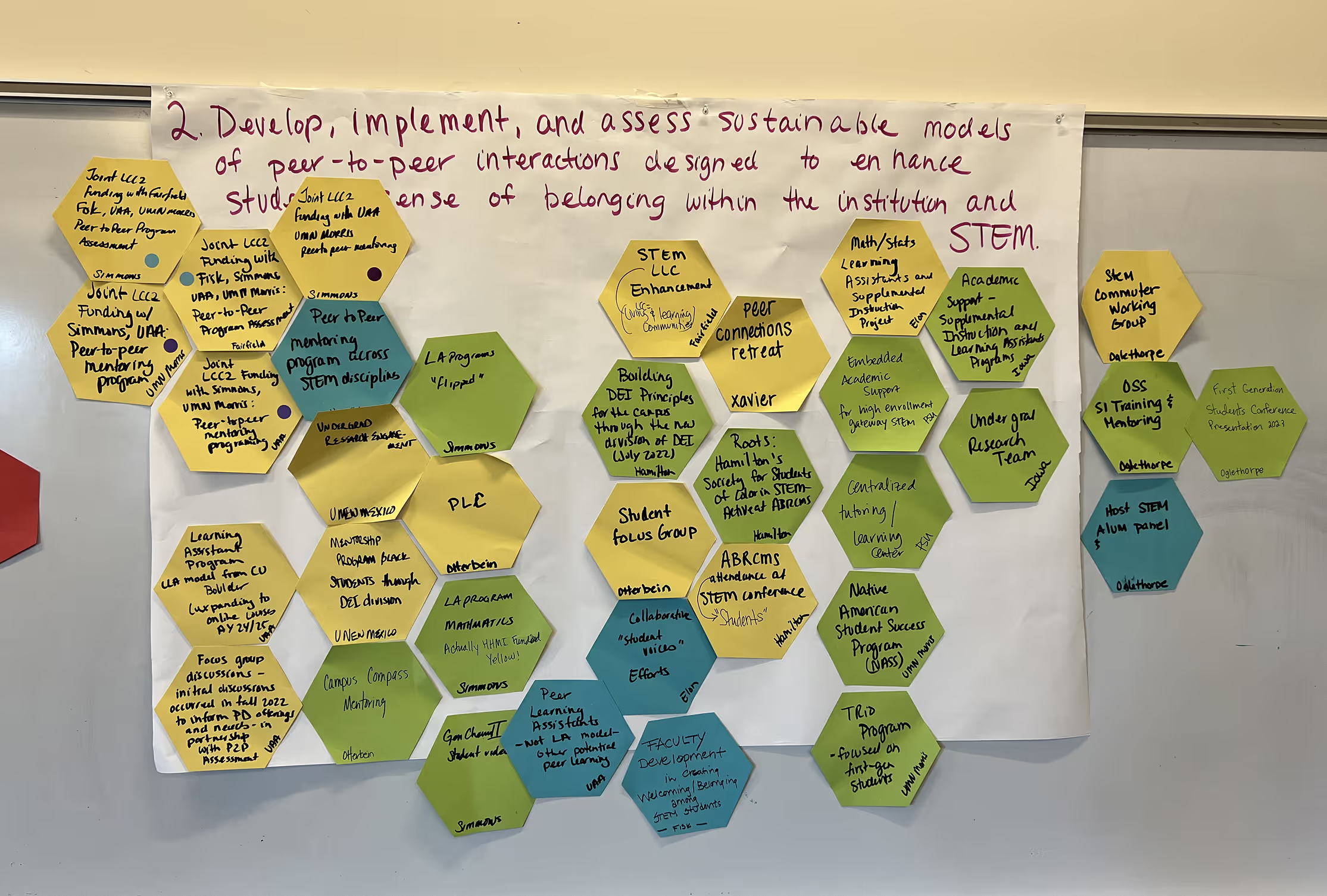
We developed our governance structure and brought together institution-based teams. During this period, we identified key focus areas through collaborative conversations and established infrastructure for sustained cross-institutional work.
2023-2024
Launching Working Groups
Working groups developed and launched pilot projects focused on institutional implementation of evidence-based teaching and learning strategies. We continued to evolve and hone our governance structure, including the hiring of an executive director.

2025
Strategic Expansion
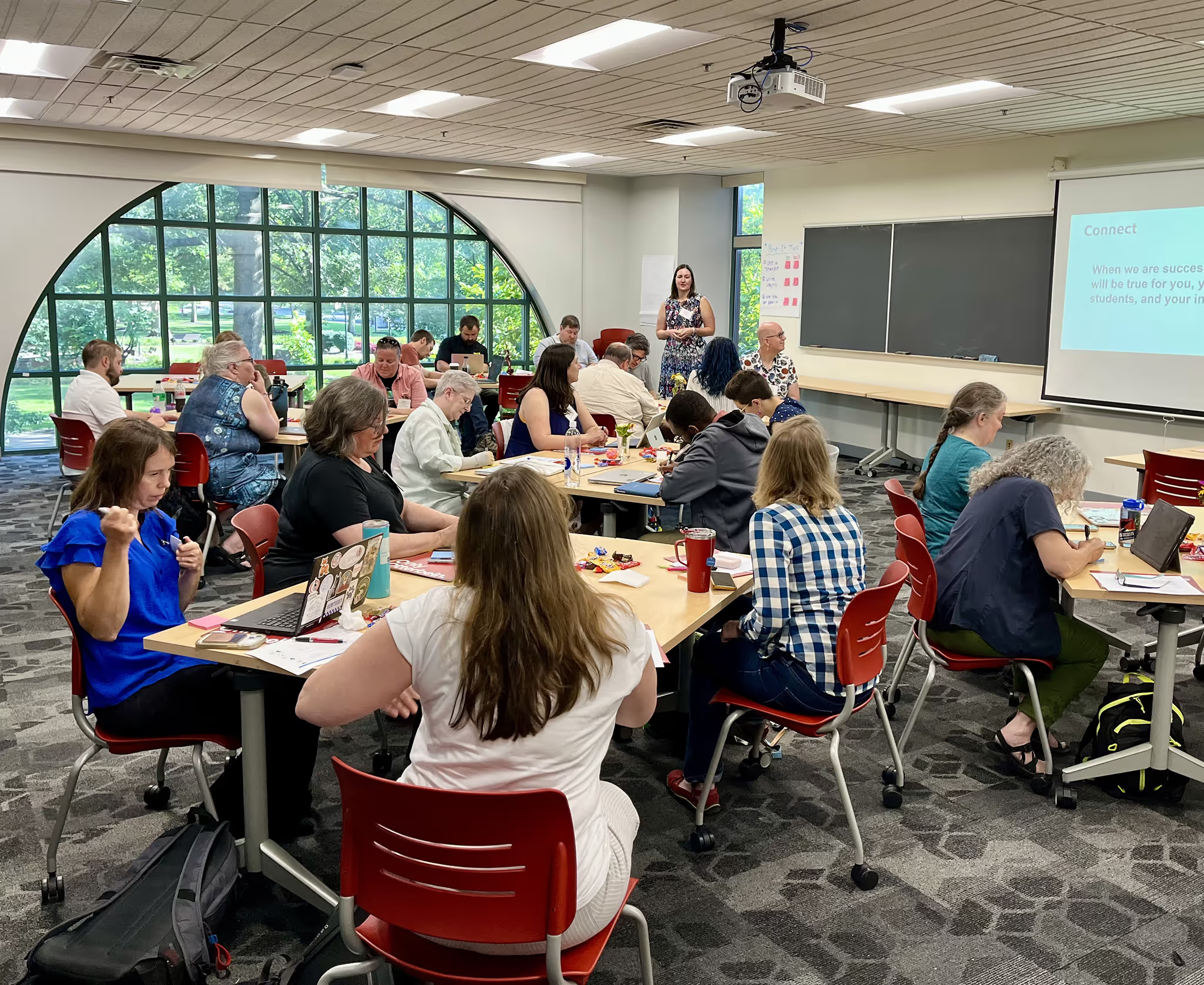
We launched communities of practice to broadly implement our core strategies: student-centered grading, students as partners, mathematics pathways, and real-time instructional feedback. These groups brought together and supported educators to share expertise and experiences within and across institutions.
Today
A Growing Movement
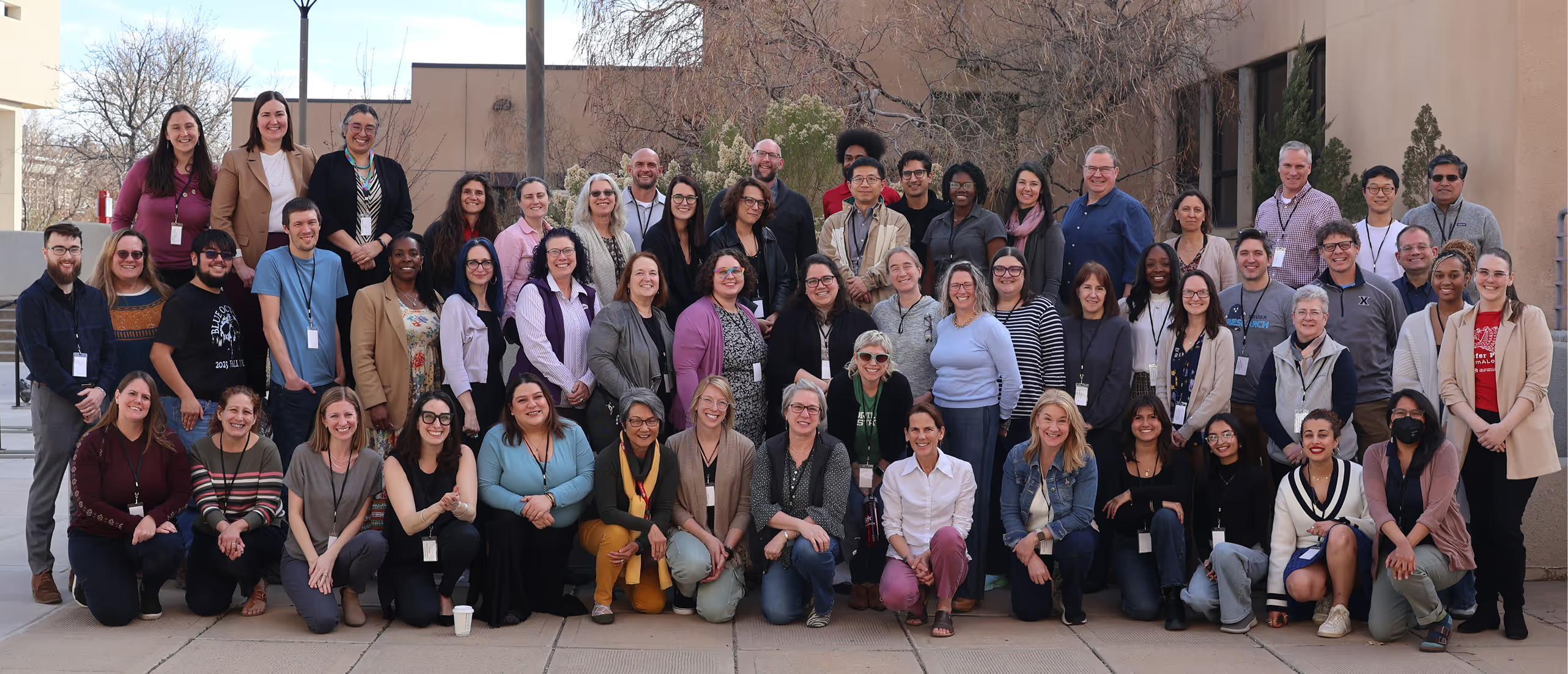
The SCIENCE Collaborative now includes more than 250 community members. We continue to grow as a vehicle for rapid, strategic implementation of practices that improve student success in STEM.
Join Us in This Work
Whether you're an educator interested in these teaching approaches, a funder aligned with our mission, or an institution seeking to improve student success, we'd love to connect.