
Supporting Educators Implementing Evidence-based Strategies
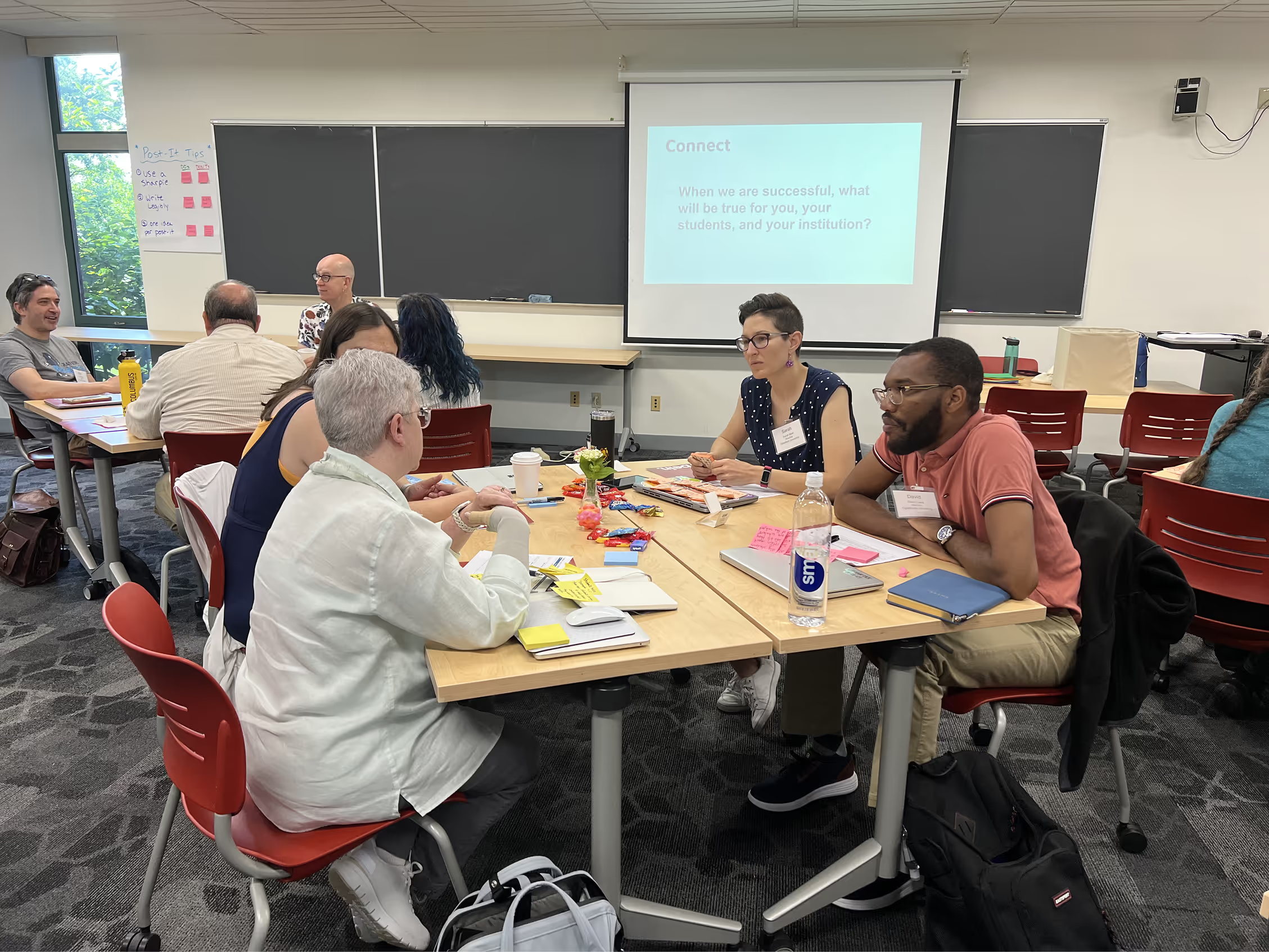
Change happens when educators have the support, community, and practical tools they need. Through year-long communities of practice, we provide faculty and staff with structured professional development in evidence-based strategies. Our cross-institutional network means educators don't innovate in isolation—they learn alongside peers, share what works, and build lasting connections that sustain their growth.
"I'm so excited to be moving forward with these projects and others with the SCIENCE Collaborative. Working with this group is truly one of my favorite parts of my job!"

“I have gained a large network of colleagues from across the nation who are as committed to student success as I am. This collaborative energizes me and encourages me to keep doing the hard work.”

“The SCIENCE Collaborative has provided the resources, learning, and networking that have supported and even transformed my teaching.”

Current Strategies
Student-Centered Grading
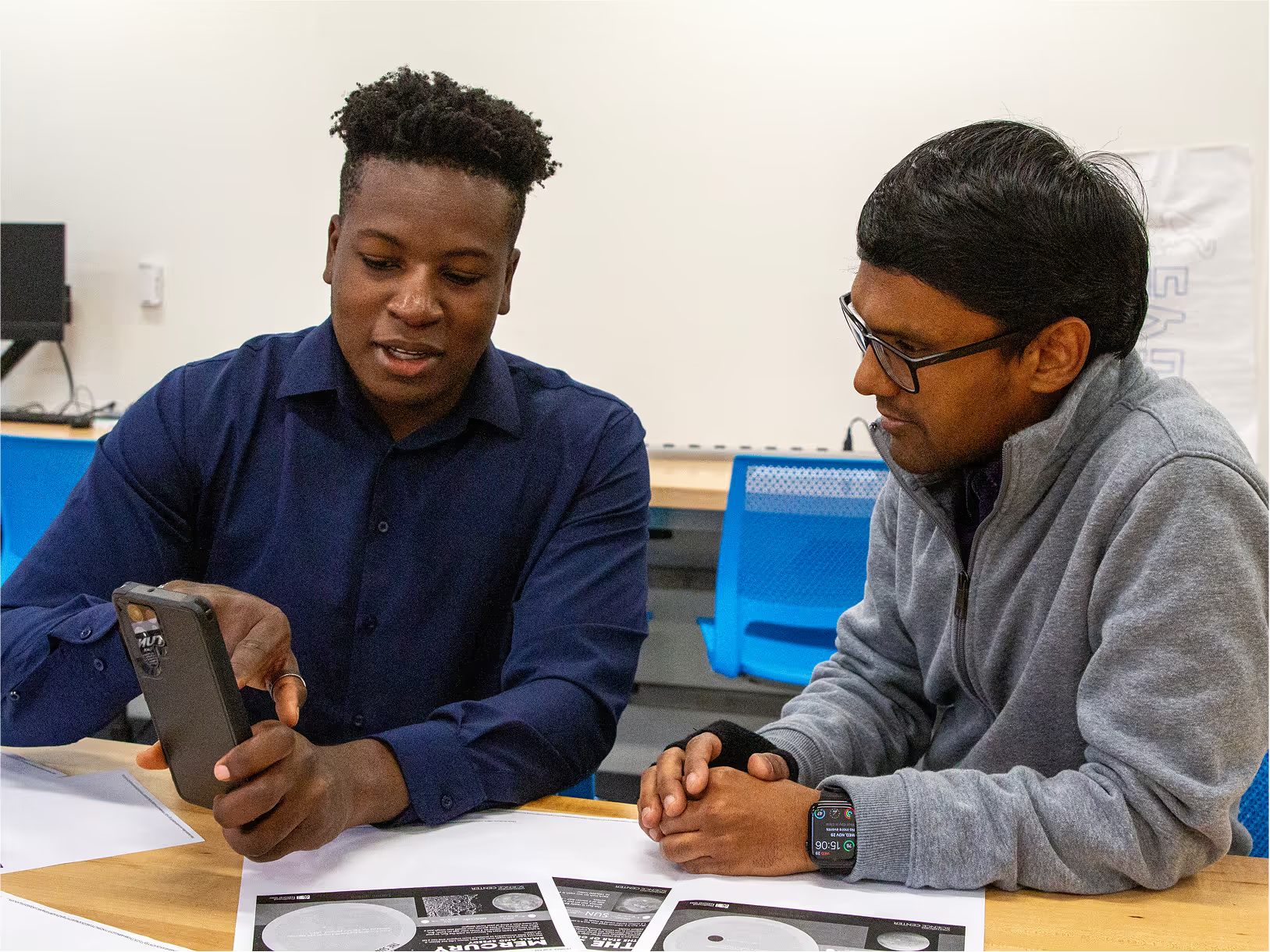
When students assess and track their own learning, have iterative conversations with their instructors about their progress, and continue to work to improve their understanding based on instructor feedback, they have a deeper understanding of the course content, more efficiently build skills, and develop a growth mindset. We support educators to develop and implement evidence-based course design and strategies that support this process.
Ascend
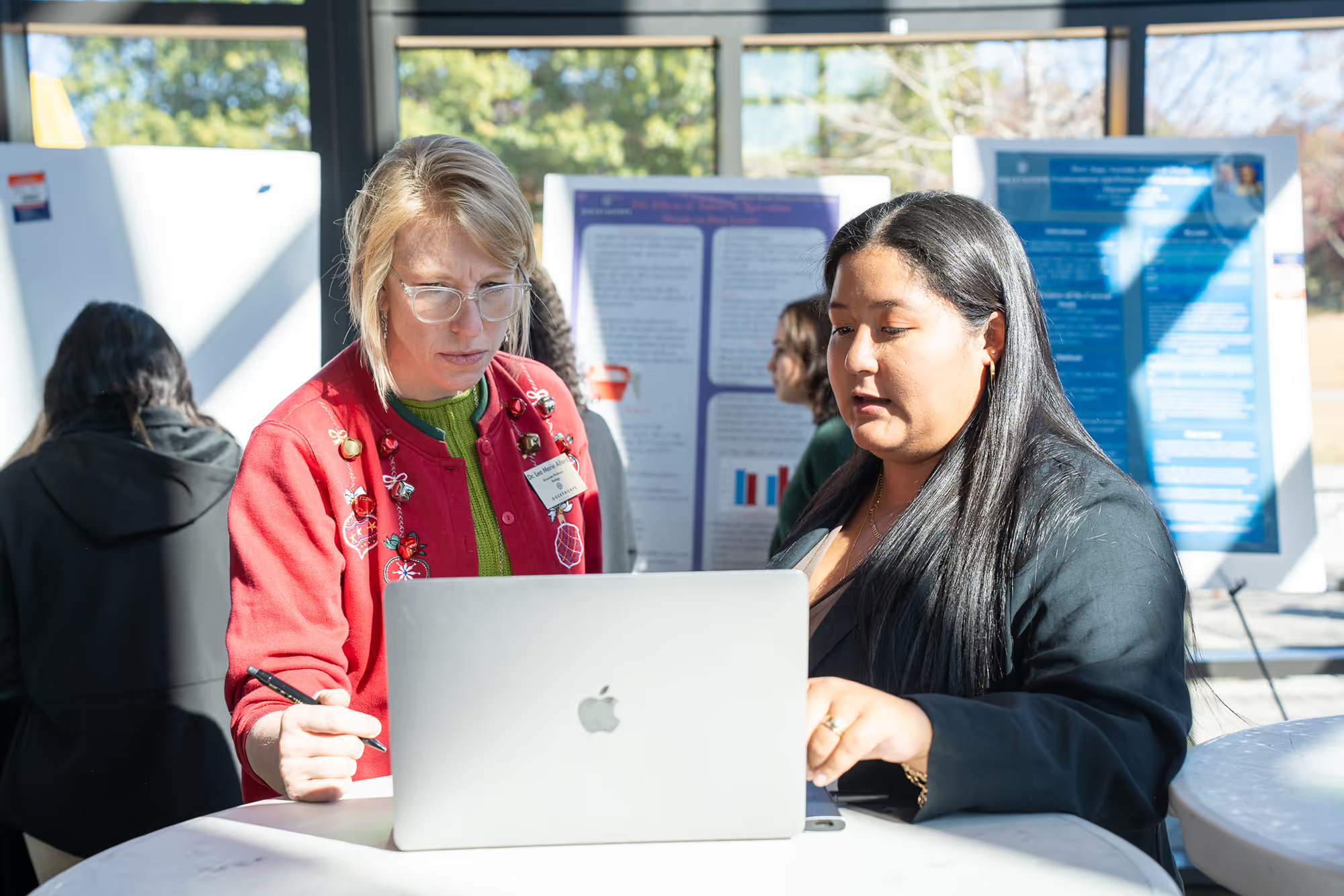
Understanding the student experience can inform and enhance instruction. Ascend is a data-driven learning program that provides educators insight into how students are experiencing their courses and feedback about how to make courses more engaging and focused on student success. The SCIENCE Collaborative provides community and institutional support for the implementation of Ascend and how to implement meaningful change based on the results.
AI and Student Learning
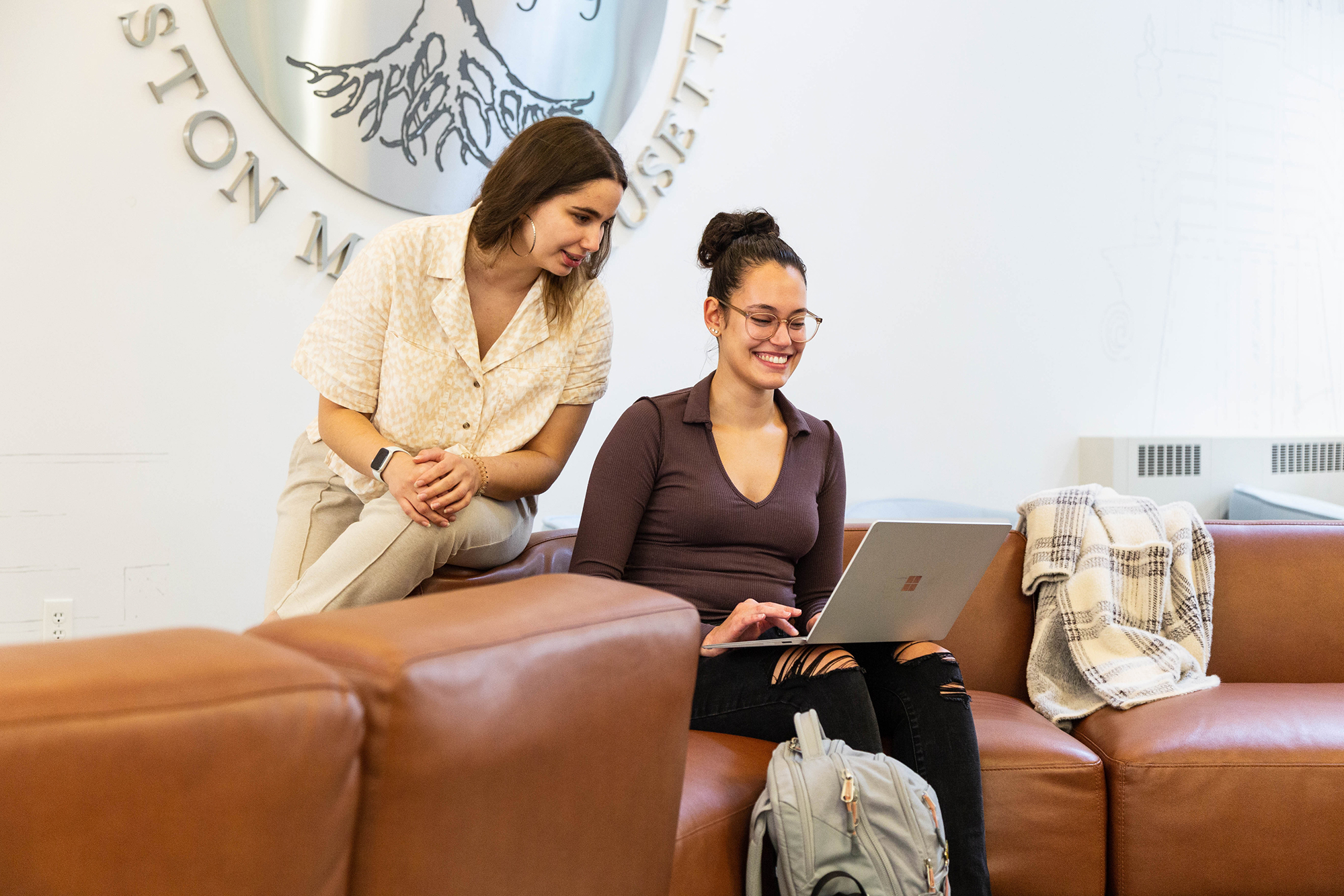
In the midst of the emergence of artificial intelligence, the SCIENCE Collaborative community is working together to determine the impact of AI on student learning and on humanity. Across our institutions we are asking questions about what evidence-based approaches translate into AI education and where we can work together to better understand the needs of our students and the world.
Students as Partners
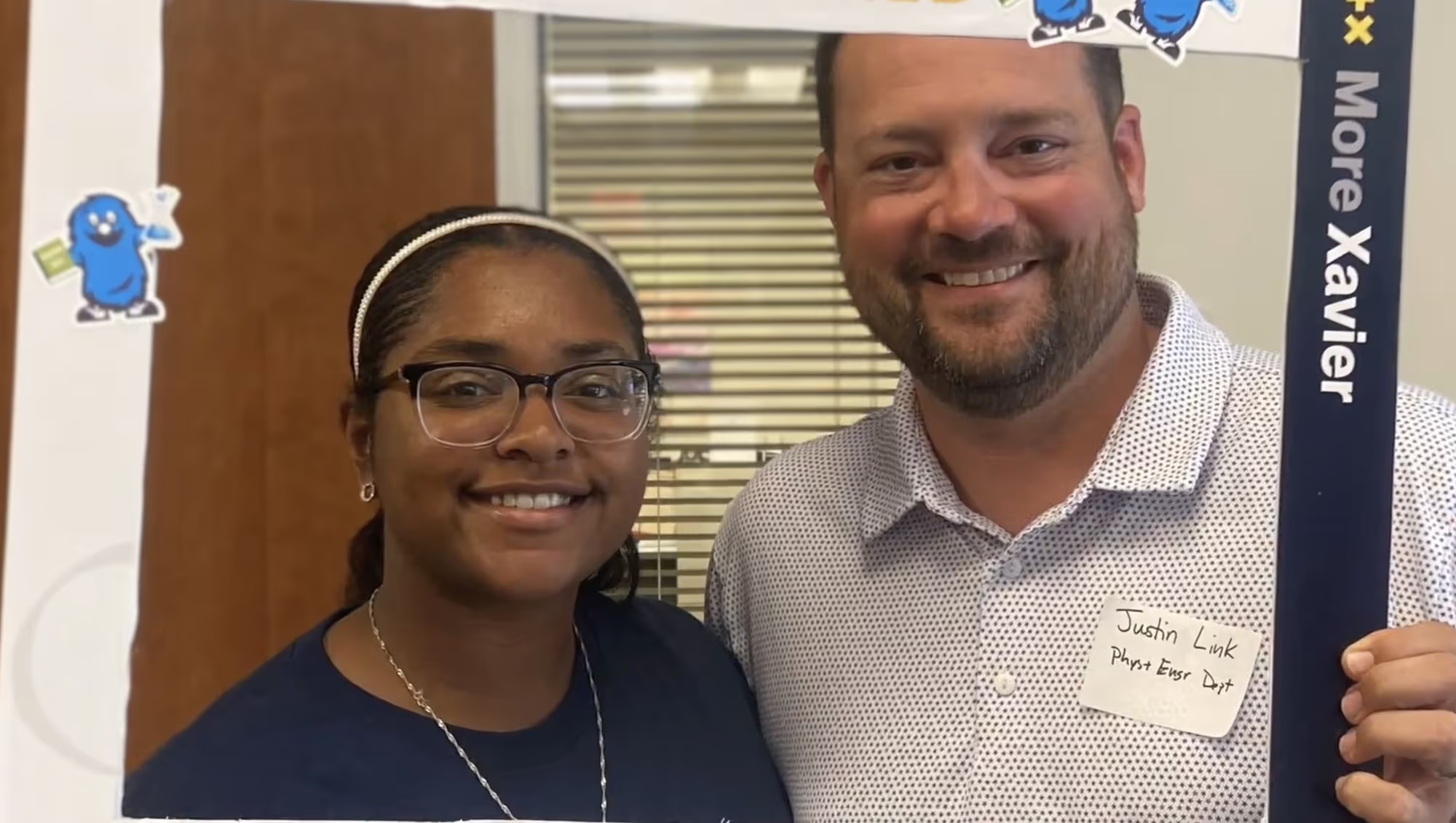
To better understand how course dynamics, both inside and outside of the classroom, are affecting the student experience and their learning, Students as Partners programs across the SCIENCE Collaborative amplify student voices and bring student perspectives into course planning and implementation. Undergraduate students are paired with faculty teaching STEM courses and serve as thought partners in developing active, engaging, student-centered classrooms.
Networks of Expertise
Corequisite Math Courses
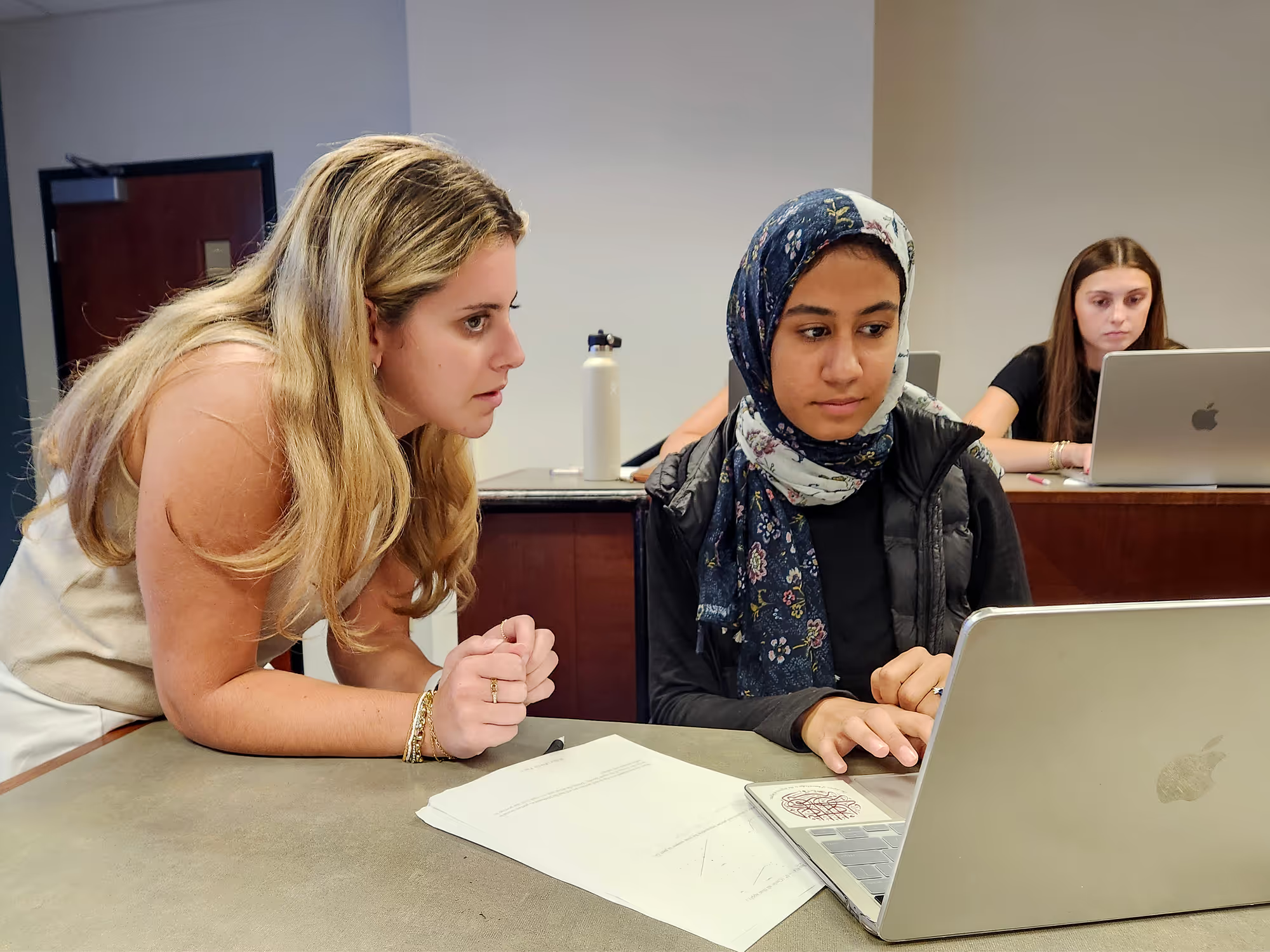
SCIENCE Collaborative educators have developed corequisite courses, offered in parallel to traditional math or science courses, to provide additional student support and enhance technical skills needed for success in the parallel and future courses.
Peer-to-peer Learning
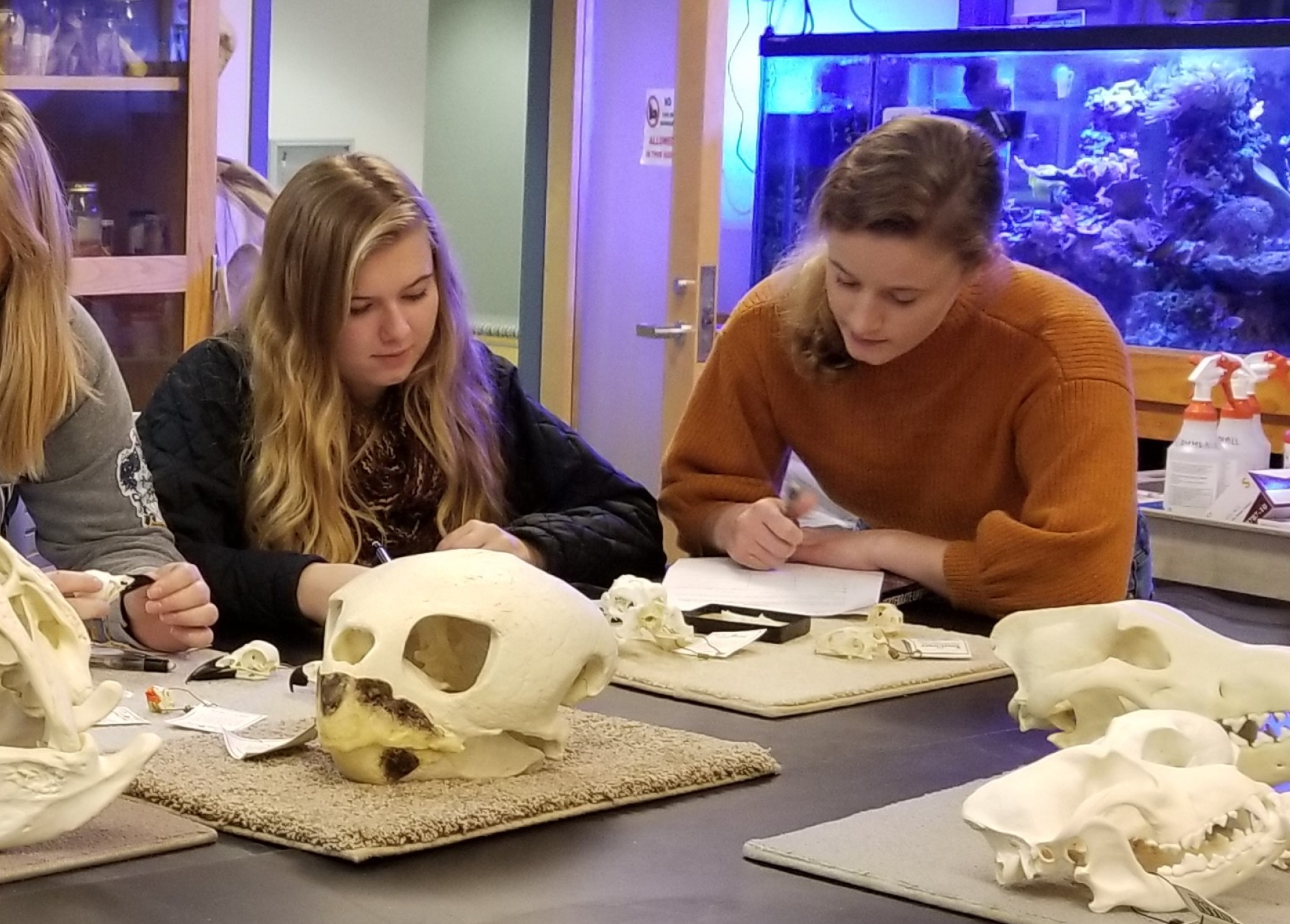
The SCIENCE Collaborative community has built institutional structures to support evidence-based peer-to-peer learning and mentoring strategies to enhance student learning and success in STEM.
Contact us
We're ready to support your educational innovation journey and answer any questions.